وَقَالَتِ ٱلْيَهُودُ عُزَيْرٌ ٱبْنُ ٱللَّهِ وَقَالَتِ ٱلنَّصَٰرَى ٱلْمَسِيحُ ٱبْنُ ٱللَّهِ ذَٰلِكَ قَوْلُهُم بِأَفْوَٰهِهِمْ يُضَٰهِـُٔونَ قَوْلَ ٱلَّذِينَ كَفَرُوا۟ مِن قَبْلُ قَٰتَلَهُمُ ٱللَّهُ أَنَّىٰ يُؤْفَكُونَ
And said the Al-Yahūd, “Uzair (is) son (of) Allah.” And said the An-Naṣārā, “The Messiah (is) son (of) Allah.” That (is) their saying with their mouths, they imitate the saying (of) those who disbelieved from before. (May) destroy them Allah How deluded are they!
At-Tawbah (9), Ayah 30
This verse says Al-Masīḥ, which is a title, which is not only exclusive to Isa, but inclusive. It means that it can be any Al-Masīḥ, and An-Naṣārā just means The Partisans, it doesn’t mean The Christians, the word An-Naṣārā comes from Naṣr which means Helper, Partisans are a group of people that support each other, some An-Naṣārā are good however, though the Qur’an never says there’s some good Al-Yahūd, there’s only criticism on them, justifiable.
An-Naṣārā can mean Sunnis or Shias or these Alewites who may or do already say Al-Masīḥ is the son of Allah, and by Al-Masīḥ they could be referring to Muḥammad and not just ʿĪsā. Some Alewites would probably do that, since they all already deify ʿAlī.
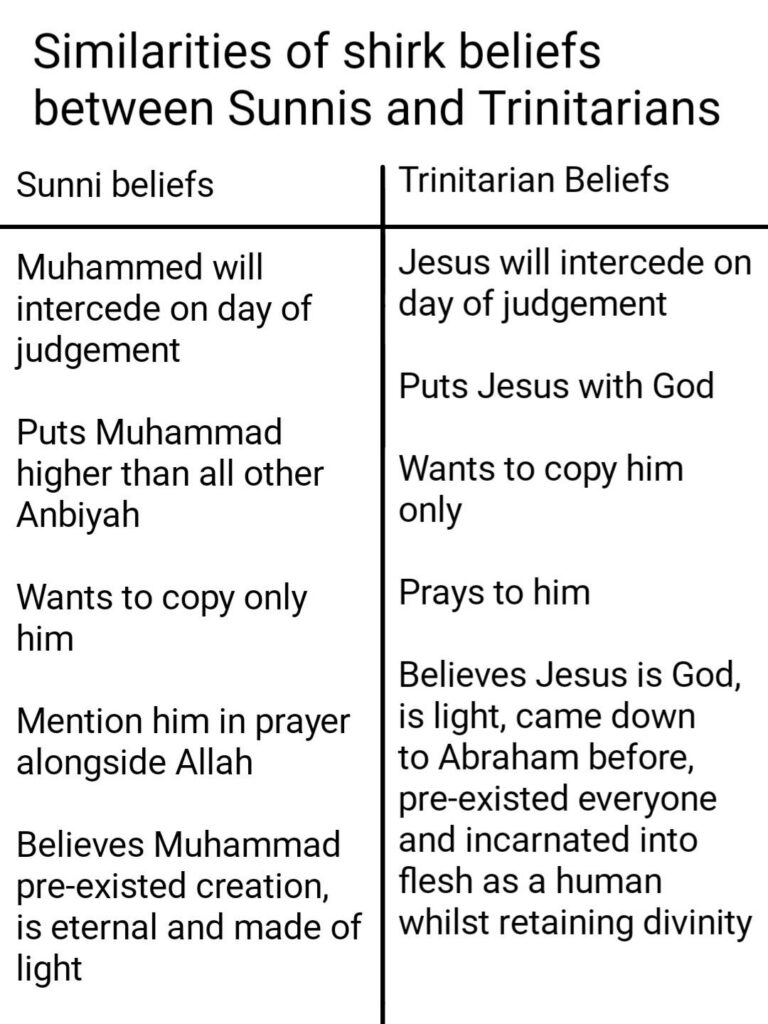
The Khātam An-Nabiyyeen is simply the completion/fulfilment of everything the former Anbiyaʾ/Rusūl did. The sending of Muḥammad (Nabī Aḥmed) as a Messenger is paralleled to the sending of Mūsā as a Messenger to Fir’awn in the following verse.
إِنَّاۤ أَرۡسَلۡنَاۤ إِلَیۡكُمۡ رَسُولࣰا شَـٰهِدًا عَلَیۡكُمۡ كَمَاۤ أَرۡسَلۡنَاۤ إِلَىٰ فِرۡعَوۡنَ رَسُولࣰا
• Sahih International
Indeed, We have sent to you a Messenger as a witness upon you just as We sent to Pharaoh a messenger.
Al-Muzzammil (73), Ayah 15
Who is the most mentioned in the Qur’an? Mūsā. Mūsā as per this verse and other verses is a model for Aḥmed. The only time the name/title Aḥmed is mentioned is by ʿĪsā, this is in one verse after a verse about Mūsā, verse 61:5-6.
وَإِذْ قَالَ مُوسَىٰ لِقَوْمِهِۦ يَـٰقَوْمِ لِمَ تُؤْذُونَنِى وَقَد تَّعْلَمُونَ أَنِّى رَسُولُ ٱللَّـهِ إِلَيْكُمْ فَلَمَّا زَاغُوٓا۟ أَزَاغَ ٱللَّـهُ قُلُوبَهُمْ وَٱللَّـهُ لَا يَهْدِى ٱلْقَوْمَ ٱلْفَـٰسِقِينَ وَإِذْ قَالَ عِيسَى ٱبْنُ مَرْيَمَ يَـٰبَنِىٓ إِسْرَٰٓءِيلَ إِنِّى رَسُولُ ٱللَّـهِ إِلَيْكُم مُّصَدِّقًا لِّمَا بَيْنَ يَدَىَّ مِنَ ٱلتَّوْرَىٰةِ وَمُبَشِّرًۢا بِرَسُولٍ يَأْتِى مِنۢ بَعْدِى ٱسْمُهُۥٓ أَحْمَدُ فَلَمَّا جَآءَهُم بِٱلْبَيِّنَـٰتِ قَالُوا۟ هَـٰذَا سِحْرٌ مُّبِينٌ
• Sahih International
And [mention, O Muhammad], when Mūsā said to his people, “O my people, why do you harm me while you certainly know that I am the messenger of Allah to you?” And when they deviated, Allah caused their hearts to deviate. And Allah does not guide the defiantly disobedient people. And [mention] when ʿĪsā, the son of Maryam, said, “O children of Israel, indeed I am the messenger of Allah to you confirming what came before me of the Torah and bringing good tidings of a messenger to come after me, whose name is Ahmad.” But when he came to them with clear evidences, they said, “This is obvious magic.”
Aṣ-Ṣaff (61), Āyāt 5-6
Since Muḥammad is supposed to be similar to Mūsā, that means they must have similar endings of their stories too, Similar intervals. For example, interval of Mūsā is that he left then returned. And after his return, Fir’awn drowned, according to this, that means Muḥammad is coming back, and the falsifiers will lose, based on other verses that can be provided as evidence. The similarity between Ibrāhīm and Muḥammad is that they’re both called Uswatun Ḥasana, and you can see that they both heavily opposed Polytheism and it’s immorality, as that’s one of the major themes of the Qurʾān, it’s opposition against polytheism and it’s immoralities. Dhil-Qarnayn, Qarn can mean Epoch/Era, Qarnayn basically meaning 2 Epochs/Eras, basically a man of 2 Eras, 2 ages, just like how Middle Ages is Quroon al Wuṣṭa in Arabic.
This story of Dhi Al-Qarnayn is in the same surah as the story of Mūsā and Khidr (Yūsuf). He was enabled (makkanna) like Yusuf. Dha An-Noon (Mūsā) Dha Al-Kifl, Dha Al-Qarnayn/Dhi Al-Qarnayn, Dha Al-Ayd (Dāwūd).
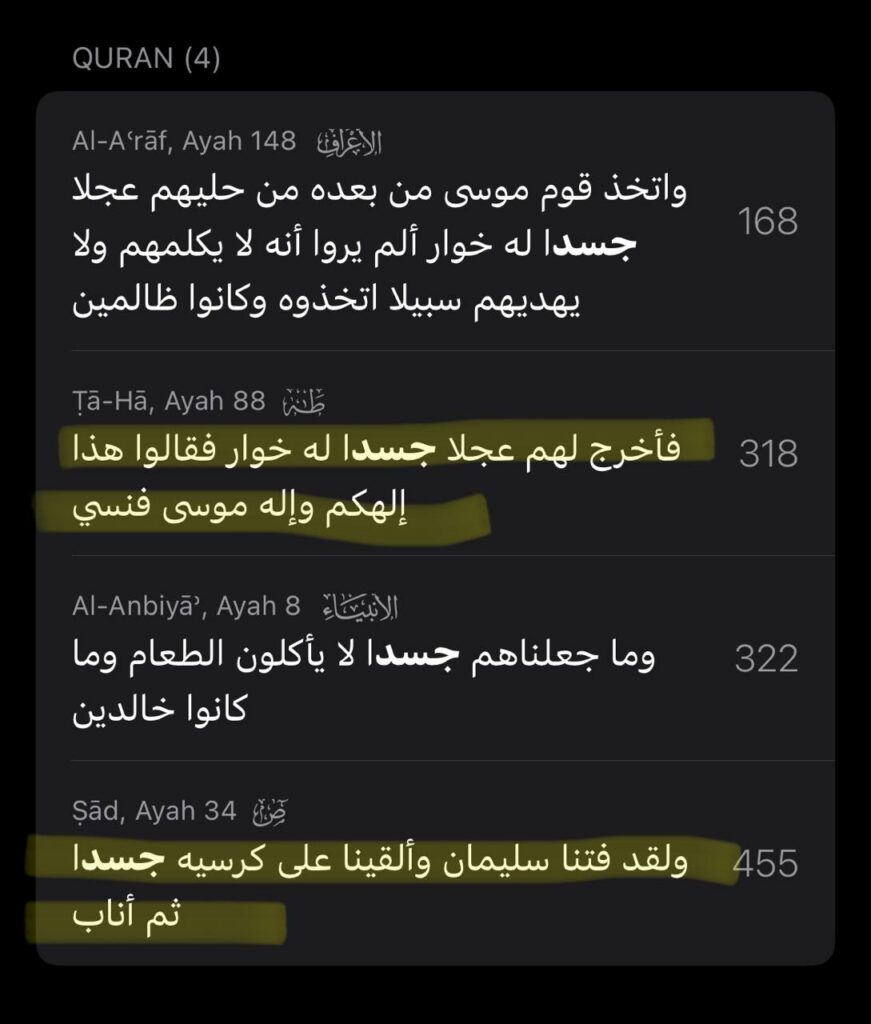
The highlighted verses for Suleyman as Mūsā of his time are as follows:
فَأَخْرَجَ لَهُمْ عِجْلًا جَسَدًا لَّهُۥ خُوَارٌ فَقَالُوا۟ هَـٰذَآ إِلَـٰهُكُمْ وَإِلَـٰهُ مُوسَىٰ فَنَسِىَ
• Sahih International
And he extracted for them [the statue of] a calf which had a lowing sound, and they said, “This is your god and the god of Mūsā, but he forgot.”
Ṭā-Hā (20), Ayah 88
وَلَقَدْ فَتَنَّا سُلَيْمَـٰنَ وَأَلْقَيْنَا عَلَىٰ كُرْسِيِّهِۦ جَسَدًا ثُمَّ أَنَابَ
• Sahih International
And We certainly tried Suleiman and placed on his throne a body; then he returned.
Ṣād (38), Ayah 34
Regarding Khidr, Yūsuf as Khidhr is based on the fact that both Yūsuf and Khidhr knew the future based on visions, both lived in the time of Mūsā, Khidhr is not mentioned by name in Surah Al Kaḥf, it just refers to the person doing these acts while with Mūsā on their journey, so it could very well be Yūsuf.