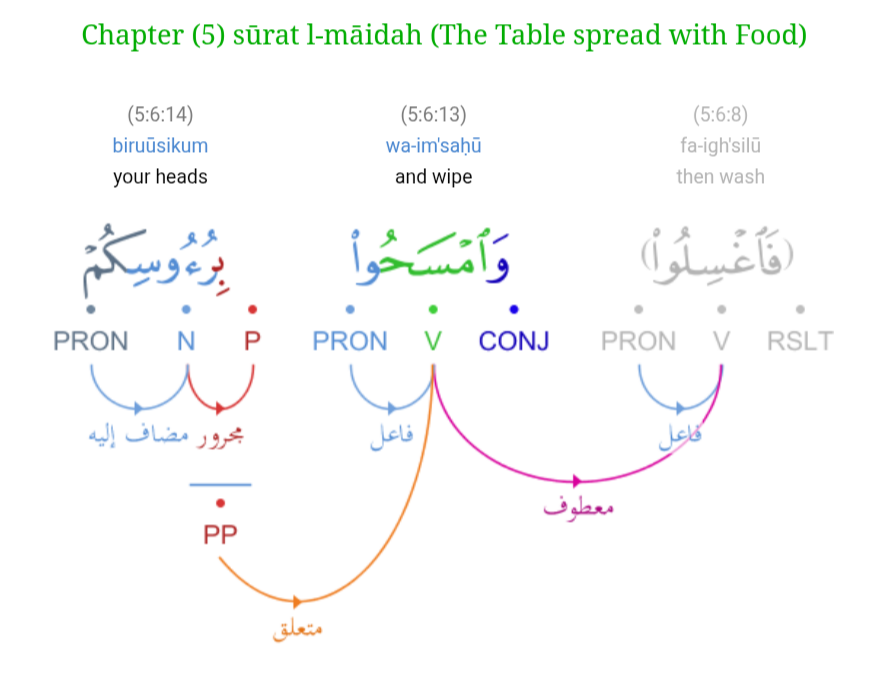
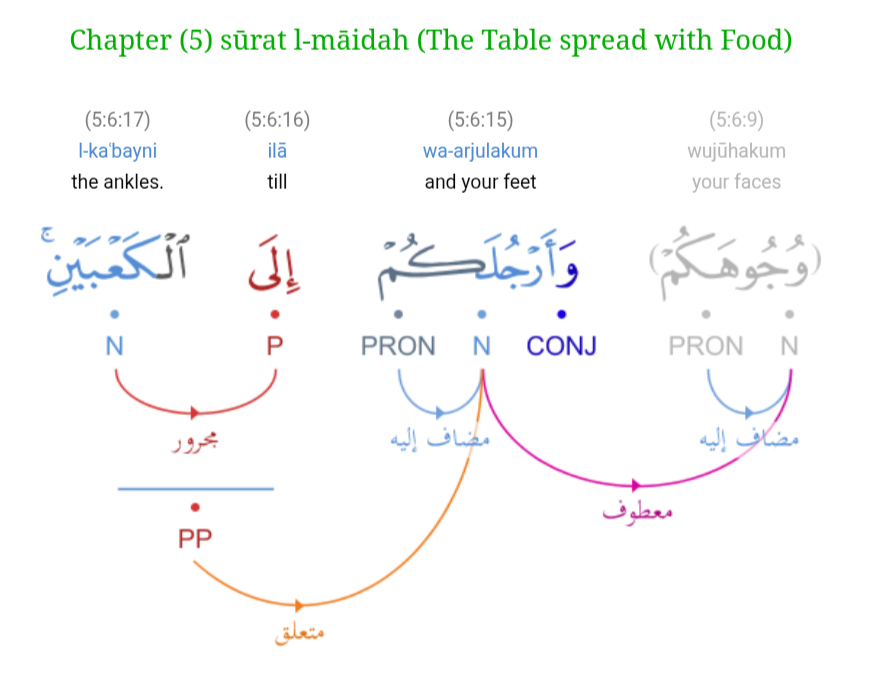
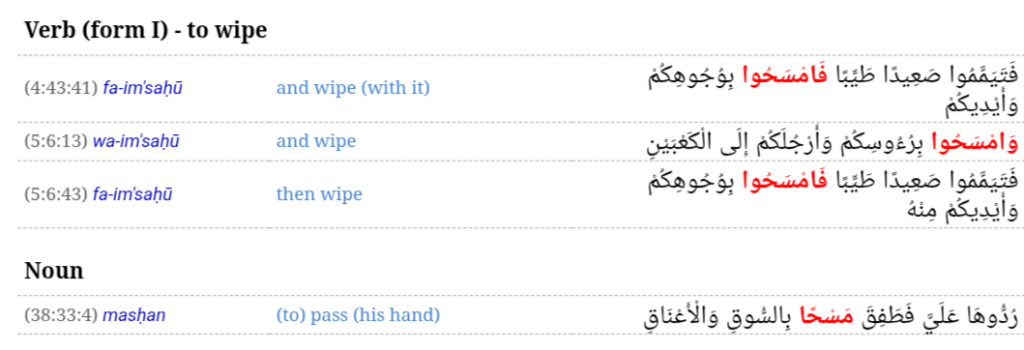
The followers of Asbab An-Nuzul, such as Javed Ghamidi and Hamiduddin Farahi, have argued that Asbab An-Nuzul outside of the Qur’an is needed to understand traditions from it, such as the ablution tradition. However, the Quran clearly commands Masaḥ (مسح) of both the head and feet. However, such people tend to twist the Qur’an to fit their own bias.
The Nabi was obligated to follow Quran in jurisprudence and no other man-made rule book as per verses 6:114, 6:19 and 10:15, and he never had a separate Sunnah outside of the Qur’an, contradictory to it. Qur’an is not there to burden but to make ease and give us clarity and knowledge, not puzzles and confusions that give us stress, it is easy, not a book of uncrackable cyphers and puzzles.
54:40 القرءان سورة القمر
وَلَقَدْ يَسَّرْنَا ٱلْقُرْءَانَ لِلذِّكْرِ فَهَلْ مِن مُّدَّكِرٍ
• Saheeh International
And We have certainly made the Qur’an easy for remembrance, so is there any who will remember? (Qur’an 54:40)
There is not a single authentic manuscript of Ahadith, Oral Sunnah, Seera, Fiqh, Asbab An-Nuzul and Tafseer that successfully trace back to the Nabi and the Anṣār.
Since Allah is Al-Ḥakīm, He is knows that washing feet constantly washing the feet in an OCD manner can cause fungal infection between the toes. Therefore those who wash their feet repeatedly have fungus between their toes. And Allah is also aware that time washing basins are higher and it is difficult for people to lift feet their feet into the basins to wash, and if they could, it may create a mess of water and a slippery surface hazard for others.
Amin Ahsan Islahi has wrote based on the misguided belief of his teacher Hamiduddin Farahi that: “First, only a Qur’anic verse can abrogate another verse. Nothing extraneous to the Holy Qur’an can abrogate it. Both the abrogated and the abrogating verses are present in the Holy Qur’an. Some jurists believe that Ahadith can abrogate the Holy Qur’an. This cannot be accepted because the Qur’an is the final authority in matters of religion. It is the Mizan (the balance) and Furqan (the distinguisher between good and evil), which in no way can be altered by any thing extraneous to it. Second, abrogation is only related to the legal injunctions. Beliefs, articles of faith, moral precepts, attributes of Allah and historical facts are not subject to abrogation. These have remained unaltered.“
Such a belief would imply that there are contradictions within the Qur’an, since contradiction by definition means abrogation, this goes against the Qur’an as per the following verse:
القرءان سورة النساء 4:82
أَفَلَا يَتَدَبَّرُونَ ٱلْقُرْءَانَ وَلَوْ كَانَ مِنْ عِندِ غَيْرِ ٱللَّـهِ لَوَجَدُوا۟ فِيهِ ٱخْتِلَـٰفًا كَثِيرًا
• Saheeh International
Then do they not reflect upon the Qur’an? If it had been from [any] other than Allah, they would have found within it much contradiction. (Qur’an 4:82)